What Should "Popular" Mean: Most Viewed, Most Bought, or Trending?
In the realm of e-commerce, the label "popular" is a powerful merchandising tool — it guides customer attention, frames choice, and shapes purchase decisions. But what does popular really mean? Is it about the most viewed products, the most bought, or the trending items gaining rapid attention? As retailers like MrQ and insights from thought leaders like the Harvard Business Review suggest, clarity in merchandising logic and alignment with customer mental models are key to meaningful navigation labels.
Inventory Is Not the Experience: Why "Popular" Needs Context
Online retailers often wrestle with how to organize vast inventories — some with hundreds of thousands of SKUs. With so much choice, inventory size alone cannot define the shopper’s experience. Presenting a "popular" section is one way to curate, but the underlying logic must resonate with customers’ expectations.
Consider MrQ, a rapidly growing online gaming and betting platform. Their UI must balance a wide selection of games and betting options while simplifying choice. Simply showing the most viewed games might overwhelm new players without context; showing the most bought offers social proof but risks ignoring emergent trends; trending can highlight excitement but may confuse users who rely on proven favorites.
Customer Mental Models Beat Internal Taxonomies
As explained in research shared by Harvard Business Review, customers don’t think in catalog terms or warehouse logic. Their mental models are formed by context, associations, and typical usage scenarios. For example:
- Most Viewed aligns with discovery and exploration — customers curious about what others are looking at.
- Most Bought conveys social proof, trust, and reliability — customers are reassured by purchases made by others.
- Trending reflects novelty, excitement, and current buzz — customers eager for what's new or popular right now.
Knowing which mental model your audience naturally relies on can dramatically improve click-through rates and conversions.
Choice Overload Causes Decision Friction
The paradox of choice is well-documented: too many options overwhelm users, leading to decision paralysis. Especially for large e-commerce sites, labeling a section simply as Popular without specifying the definition can create friction and frustration.
Imagine landing on a "Popular" game selection on MrQ without context. Are these games that many people play daily, ones with the highest payout rates, or brand-new rising stars? Ambiguity breeds doubt and second-guessing, increasing drop-offs.
Curated Sections Help People Start
Curated sections — whether "Top Sellers," "Trending Now," or "Most Viewed Games" — offer a compass to navigate choice overload, guiding users to meaningful selections that reflect their intent.
- Top Sellers (Most Bought): Great for risk-averse customers seeking social proof.
- Trending: Ideal for early adopters and excitement seekers.
- Most Viewed: Helpful for novices or explorers wanting to see what’s piquing interest.
These curated sections diminish cognitive load and align with different shopping contexts, improving the experience and conversion potential.
Label Clarity Is Critical for Trust and Engagement
One key takeaway from leading UX research, including analyses on CookieDatabase, is that clear, unambiguous labels nurture trust. This is especially true with increasing regulatory focus on transparency, such as fulcharmednames.com the EU cookie policy and cookie consent management.
For example, tools like cookie consent manager UIs that give customers options to manage services, manage vendors, and see vendor counts illustrate how clarity reduces friction. Similarly, on e-commerce sites, labels like Popular should be precise or supported with tooltips or category explanations. Does Popular mean:
Label Meaning Customer Expectation Most Bought Products with the highest sales volume Trustworthy, well-reviewed, tried-and-true products Most Viewed Products that attract the most clicks or page views Products generating curiosity or interest Trending Items with rapidly increasing interest over a recent period New, popular, or emerging favoritesBy using precise terms or combining them in context-sensitive ways, retailers can lead shoppers confidently.
How to Choose the Right Definition of "Popular" for Your Store
Given the nuances, a one-size-fits-all approach to popular definition does not work. Here’s how to approach it:

- Understand your audience: Use analytics to gauge whether your customers respond better to social proof (most bought), discovery (most viewed), or novelty (trending).
- Align with merchandising logic: Make sections consistent with your brand — for example, MrQ focuses on excitement, so "Trending" might resonate more.
- Test label clarity: Avoid ambiguous generic labels. Consider A/B testing specific labels or providing explanatory microcopy to reduce friction.
- Use curated sections: Rather than lumping everything under "Popular," segment offerings under meaningful, distinct headers.
- Leverage evolving data: Combine metrics — a hybrid approach such as "Top Sellers" updated weekly with a "Trending Now" feed—may cover multiple shopper mental models.
Conclusion: Clarity and Customer-Centric Merchandising Win
In the complex world of e-commerce, label clarity and alignment with customer mental models trump internal inventory-driven logic. "Popular" should never be a vague term. Whether it's the most viewed, most bought, or trending products, the meaning must fit your audience and context.
Retailers like MrQ and insights from Harvard Business Review teach us that managing the customer experience effectively means curating choice intelligently and guiding shoppers with clear navigation. Similarly, transparency lessons from tools like cookie consent managers—where users control and understand data usage—remind us that unambiguous, trust-building labels can reduce decision friction and enhance engagement.
Remember, inventory is not the experience. Popularity is a social and emotional signal, and when harnessed thoughtfully, it becomes a catalyst for better shopping journeys and increased sales.
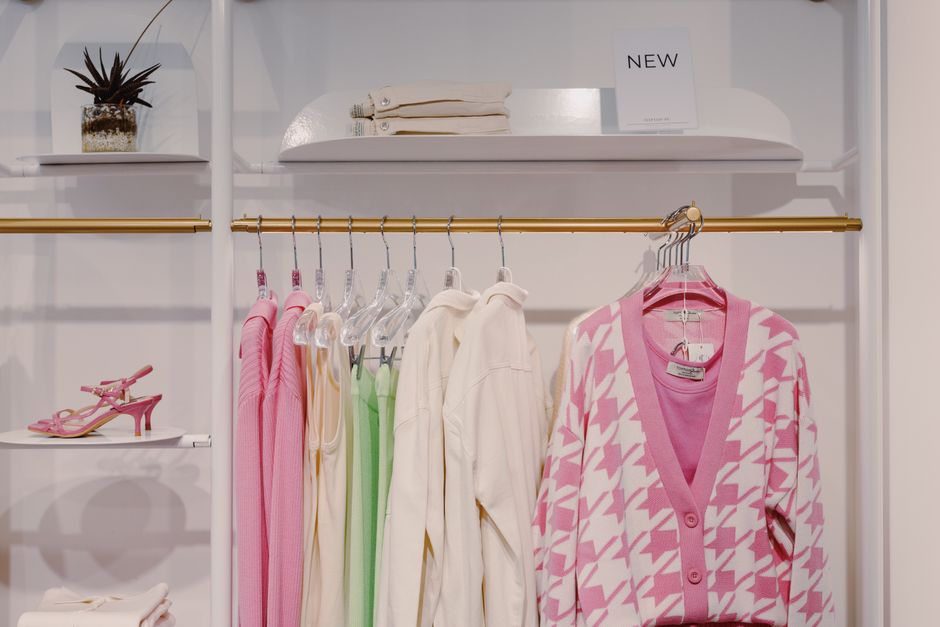
Start by evaluating what popularity truly means for your customers and build your merchandising logic around that clarity.